
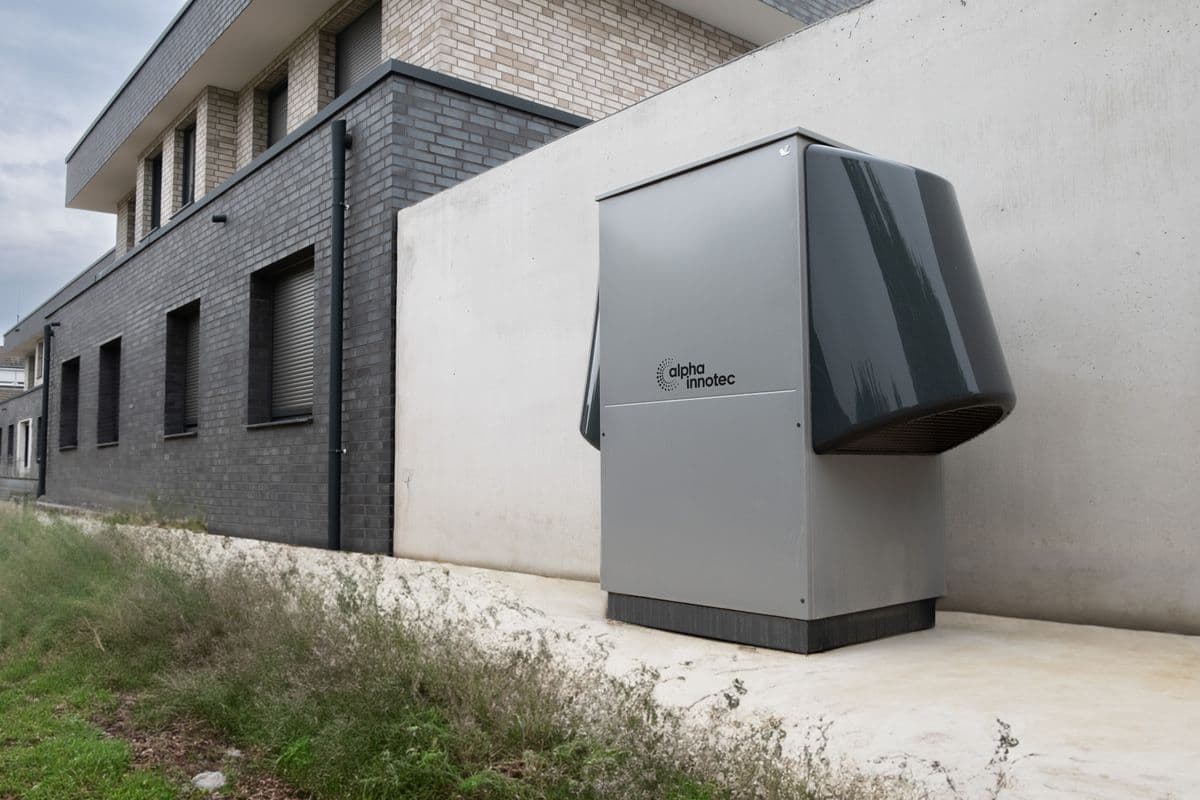
Cooling
Heat Pump Installation & Repair
A heat pump is an air conditioner that can run in reverse: it moves heat out of your house in summer and moves heat into it in winter. In moderate climates it can be the entire heating and cooling system; in cold climates it typically pairs with backup heat. The technology has improved dramatically — modern cold-climate heat pumps work well below freezing — but proper sizing, defrost setup, and realistic expectations about backup heat are what separate good installs from disappointing ones.
Heat Pump Installation & Repair: at a glance
- What it is:
- Installation and repair of heat pumps, which move heat instead of making it — cooling your home in summer and heating it in winter with one system.
- When you need it:
- When you want one system for year-round comfort, when replacing both an aging AC and furnace, or when a current heat pump underperforms in either season.
- The key decision:
- Cold-climate models heat effectively well below freezing; in the coldest regions a furnace backup is common. Ask what your system will do on the coldest night of the year, not just the average day.
Key facts
| Typical timeline | 1–3 days for install; repairs often same-visit |
|---|---|
| Key risk | Undersizing for the coldest nights — ask about low-temperature performance |
| Relative scope | Medium to large — one system doing two jobs |
| Best for | Replacing aging AC + furnace pairs; all-electric homes; moderate winters |
Typical ranges for the material category — your home, climate, and installer quality move real results.
Do this first
- Know your winter lows — heat pump economics and backup-heat needs depend on your climate, not the brochure.
- Ask about your electrical panel capacity; heat pumps and backup heat strips draw significant power.
- If your current system is a furnace + AC, ask for a dual-fuel comparison: heat pump with your furnace as backup is often the sweet spot in cold regions.
- Get the HSPF2/SEER2 ratings in writing — they describe heating and cooling efficiency respectively.
What the crew does
- Size the system for both heating and cooling loads — heat pump sizing is a balancing act the Manual J informs
- Evaluate your climate zone and recommend cold-climate models or dual-fuel backup where appropriate
- Install outdoor and indoor units with correct refrigerant line practices, deep vacuum, and weighed charge
- Set up and verify the defrost cycle, which keeps the outdoor coil clear in winter
- Configure auxiliary/emergency heat staging so backup only runs when actually needed
- On repairs: diagnose reversing valve, defrost control, refrigerant charge, and sensor issues specific to heat pumps
Common questions
Modern cold-climate heat pumps produce heat well below freezing — far better than older models. In very cold regions they are typically paired with backup heat (electric strips or a gas furnace in a dual-fuel setup) for the coldest stretches. Ask for performance data at your area's design temperature, not just the headline rating.
It depends on your electricity vs. gas prices and your climate. Heat pumps move heat rather than making it, so they are typically 2–4x more efficient than electric resistance heat and often beat gas in moderate climates. In very cold climates with cheap natural gas, a furnace or dual-fuel setup can win. Ask for an operating-cost comparison using your actual utility rates.
Some frost is normal — the defrost cycle handles it. A unit encased in ice signals a defrost control, sensor, or refrigerant problem. Turn it to emergency heat if you have it and call for service; running iced up damages the system.
Heat Pump Installation & Repair by state
Local climate changes the right material and details. Pick your state for heat pump installation & repair guidance tuned to local conditions.