
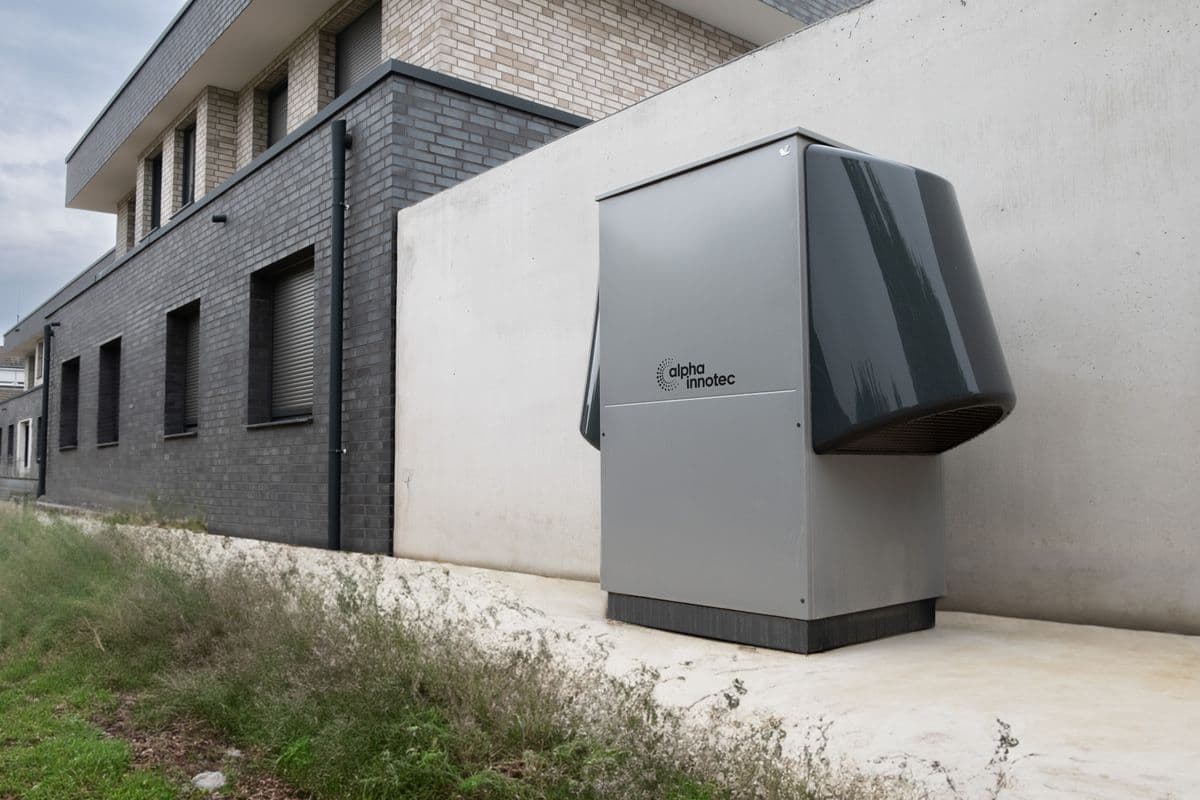
Cooling
AC Installation & Replacement
Replacing a central AC is the most consequential HVAC purchase most homeowners make, and the equipment brand matters less than most people think. What decides comfort and bills for the next 15+ years is sizing (Manual J load calculation, not rule-of-thumb tonnage), ductwork condition, and installation quality — refrigerant charge, airflow, and line-set practices that most homeowners never see.
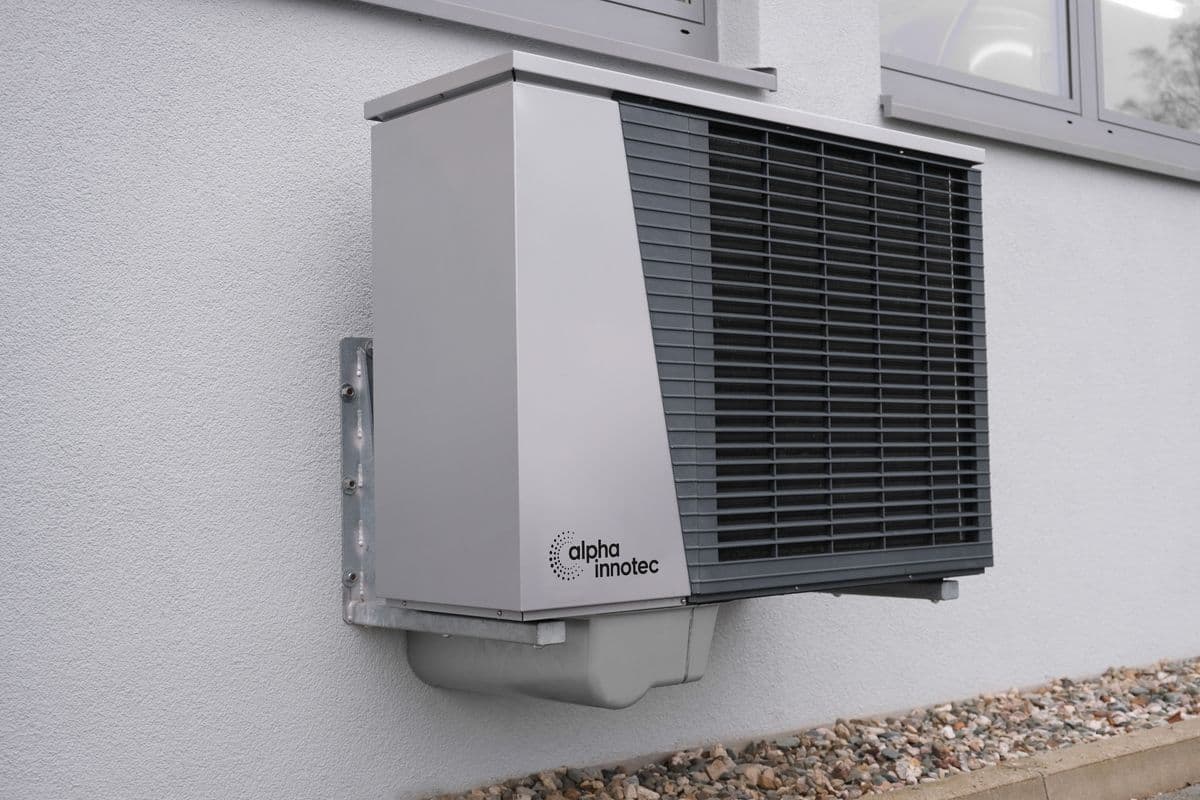
AC Installation & Replacement: at a glance
- What it is:
- Full replacement of a central air conditioner — load calculation, equipment selection, removal of the old unit, and installation of the new condenser, coil, and refrigerant lines.
- When you need it:
- When the existing system is 12–15+ years old, needs a major repair like a compressor, or can't keep up with the home's cooling load.
- The key decision:
- The load calculation (Manual J) matters more than the brand. Oversized units short-cycle and dehumidify poorly; undersized ones never catch up on hot days. Ask to see the numbers.
Key facts
| Typical timeline | 1–2 days for most residential replacements |
|---|---|
| Key risk | Oversizing — short-cycles, dehumidifies poorly, wears faster |
| Relative scope | Large — full equipment swap plus commissioning |
| Best for | Systems 12–15+ years old, major component failures, chronic underperformance |
Typical ranges for the material category — your home, climate, and installer quality move real results.
Do this first
- Get at least three quotes — and compare the load calculations and scope, not just the bottom line.
- Ask each bidder: 'What size did your Manual J give, and can I see it?' Anyone sizing by square footage alone is guessing.
- Ask what's included: line set replacement, pad, disconnect, thermostat, permits, and old-equipment disposal.
- Check the contractor's license with your state board yourself and confirm they pull a permit where required.
What the crew does
- Perform a Manual J load calculation — measuring your home, insulation, windows, and orientation — instead of sizing by square footage
- Evaluate the existing ductwork for leaks, sizing, and insulation before quoting equipment
- Remove the old condenser, air handler/coil, and refrigerant per EPA recovery rules
- Set the new condenser on a level pad with proper clearances, run or replace the line set
- Evacuate the lines to a deep vacuum, charge by weight and then fine-tune with superheat/subcooling
- Commission the system: verify airflow, static pressure, temperature split, and thermostat operation
Common questions
The size your home's heat gain requires — determined by a Manual J load calculation, not by square footage or by matching the old unit's size. Oversized systems short-cycle: they cool fast but never run long enough to dehumidify, leaving you cold and clammy with higher bills.
A straightforward like-for-like replacement typically takes a day. Jobs with ductwork modifications, electrical upgrades, or difficult access can run two to three days. Ask for the schedule in writing before work starts.
Often yes, if both are old. A new high-efficiency condenser paired with a 20-year-old air handler won't deliver its rated efficiency, and you'll pay for a second installation visit later. If the indoor unit is relatively new and compatible, keeping it can make sense — ask for the efficiency math both ways.
AC Installation & Replacement by state
Local climate changes the right material and details. Pick your state for ac installation & replacement guidance tuned to local conditions.