
Plans & commercial
HVAC Maintenance & Tune-Ups
HVAC maintenance is unglamorous and genuinely valuable — not because tune-ups magically cut bills in half, but because they catch the failing capacitor, the weakening ignitor, and the clogged drain before they become a midnight emergency. A real tune-up is measurements and inspections, not a quick filter swap and a sticker. And maintenance plans earn their keep mainly through priority scheduling and caught-early repairs.
HVAC Maintenance & Tune-Ups: at a glance
- What it is:
- Seasonal professional tune-ups — cleaning coils, checking refrigerant charge, testing electrical components, calibrating the thermostat, and catching small failures early.
- When you need it:
- Every year: cooling check in spring, heating check in fall. Especially valuable for systems over 8 years old and for homes that run equipment hard.
- The key decision:
- A maintenance plan is worth it when it includes real service (not just a filter change) and priority scheduling. Ask exactly what's on the checklist before signing.
Key facts
| Typical timeline | 1–2 hours per visit, twice a year |
|---|---|
| Key risk | Plans that are really just filter changes — ask for the full checklist |
| Relative scope | Ongoing — prevention, not a project |
| Best for | Every system, especially units over 8 years or running hard |
Typical ranges for the material category — your home, climate, and installer quality move real results.
Do this first
- Schedule cooling tune-ups in spring and heating tune-ups in fall — before the season, not during the first heat wave.
- Ask what the tune-up includes, specifically. '21-point inspection' means nothing; refrigerant measurements, combustion checks, and coil cleaning mean something.
- Keep the area around the outdoor unit clear and replace filters regularly between visits — the two things homeowners control.
- Compare maintenance plans on what's included and the repair discount, not just the annual price.
What the crew does
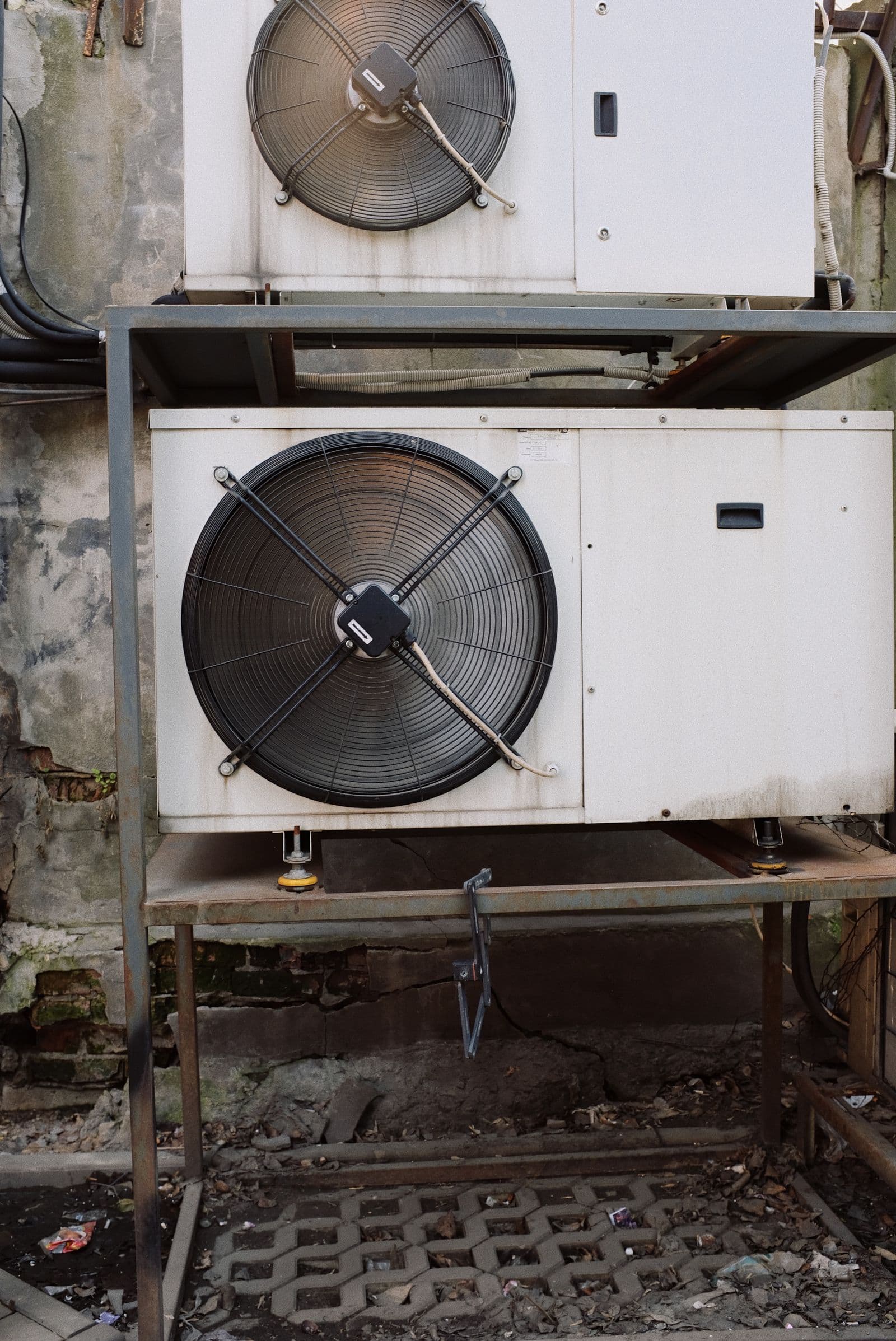
- Cooling tune-up: clean condenser coil, check refrigerant charge, test capacitors and contactors, clear condensate drain, verify airflow and temperature split
- Heating tune-up: inspect heat exchanger, clean burners and flame sensor, test ignitor and safety controls, check gas pressure and combustion, test for carbon monoxide
- Measure and record key readings so trends are visible visit to visit
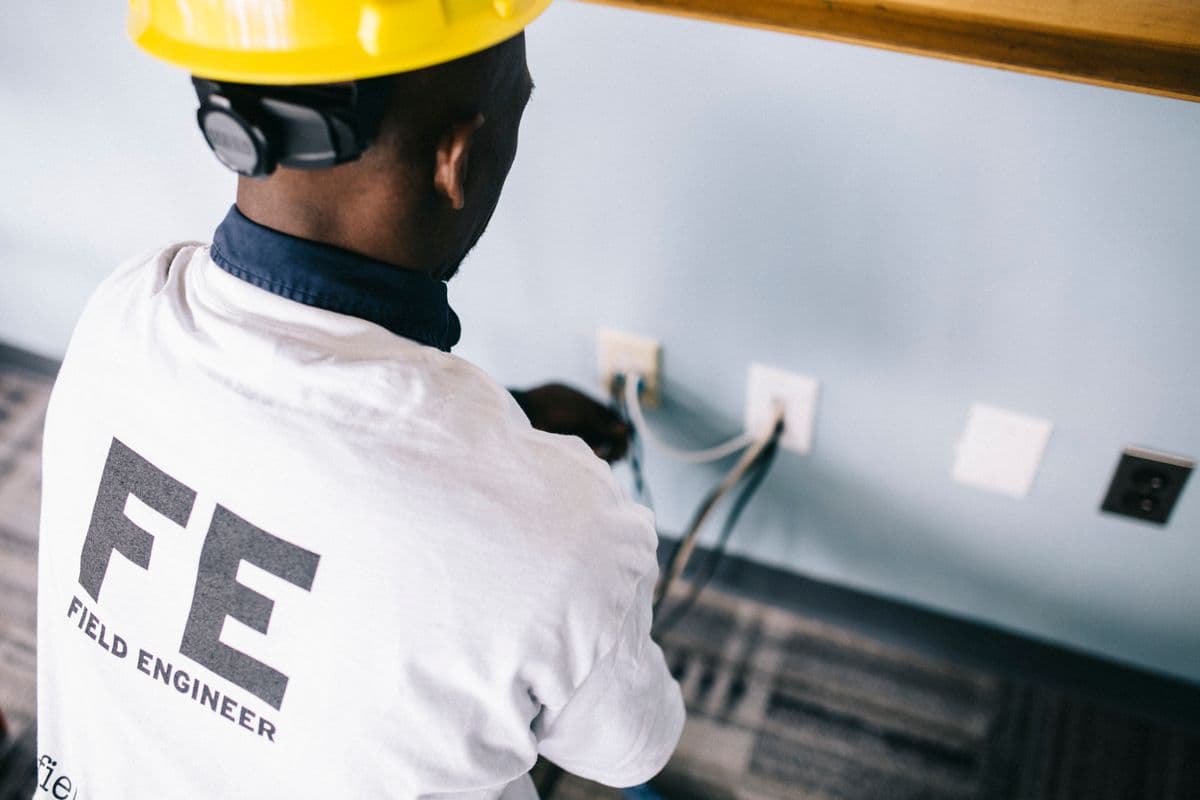
- Flag wearing parts before they fail — with photos and plain explanations
- Maintenance plans: scheduled seasonal visits, priority scheduling, and typically a repair discount
Common questions
Often, if it's a real plan: two seasonal tune-ups with actual measurements, priority scheduling during peak season, and a repair discount. The value is caught-early failures and jumping the queue in a heat wave — not magical efficiency gains. Read what's included before signing.
A legitimate one: coil cleaning, refrigerant charge verification, electrical component testing, condensate clearing, airflow checks for cooling; heat exchanger inspection, burner and flame sensor cleaning, combustion and safety control testing, CO check for heating. If the visit takes 20 minutes, it wasn't a tune-up.
It can. Many manufacturers require documented annual maintenance to honor parts warranties. Keep your service records — a plan with a reputable contractor creates the paper trail automatically.
HVAC Maintenance & Tune-Ups by state
Local climate changes the right material and details. Pick your state for hvac maintenance & tune-ups guidance tuned to local conditions.