
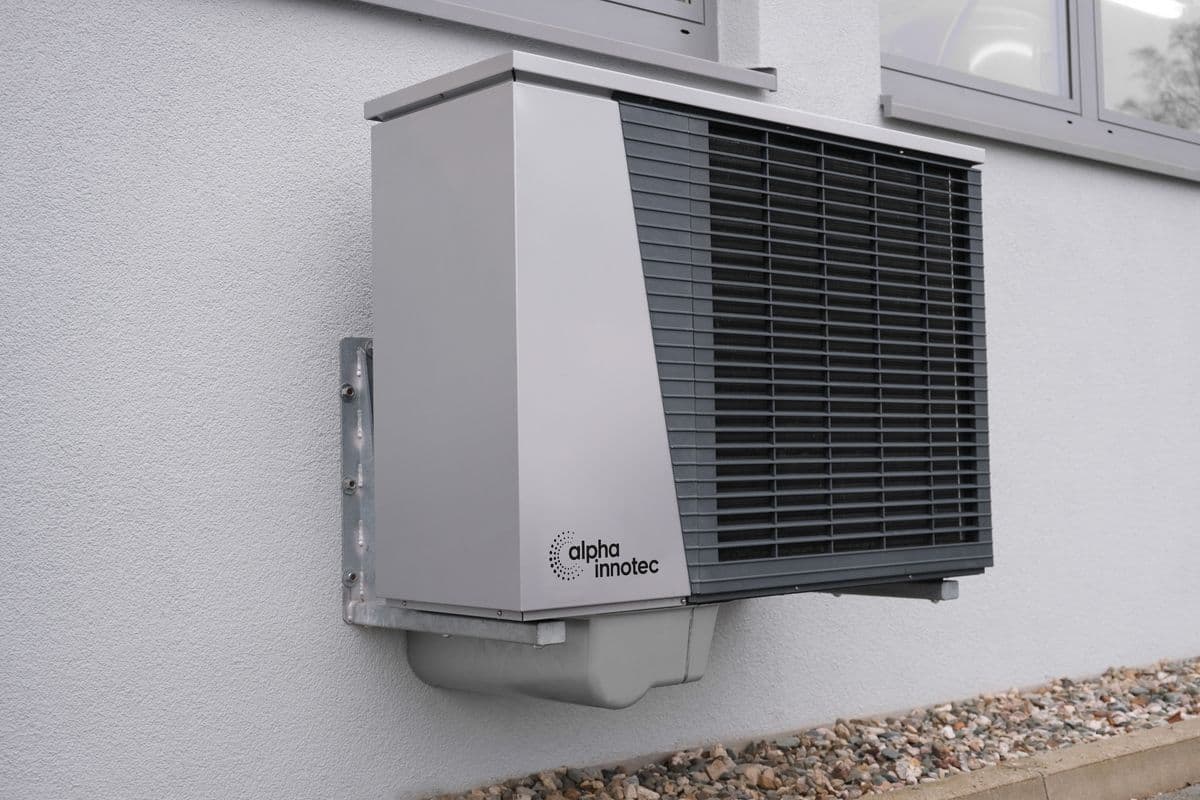
HVAC Maintenance & Tune-Ups in Florida
HVAC maintenance is unglamorous and genuinely valuable — not because tune-ups magically cut bills in half, but because they catch the failing capacitor, the weakening ignitor, and the clogged drain before they become a midnight emergency. A real tune-up is measurements and inspections, not a quick filter swap and a sticker. And maintenance plans earn their keep mainly through priority scheduling and caught-early repairs.
Florida is the country's most cooling-dominated market: year-round heat and humidity mean air conditioners rarely rest, and undersized or aging systems show it in both comfort and electric bills. Salt air corrodes condenser coils within sight of the coast, and hurricane season punishes outdoor units with wind-driven debris and storm surge.
The short answer for Florida
Seasonal tune-ups and maintenance plans that catch small problems before they become no-heat emergencies. In Florida, the deciding factor is salt air: Coastal systems need coil washing and corrosion checks on a tighter interval — salt doesn't take seasons off.
How Florida’s climate affects this choice
Salt air: Coastal systems need coil washing and corrosion checks on a tighter interval — salt doesn't take seasons off.
Extreme heat: Pre-summer tune-ups catch the weak capacitors that die in the first heat wave — the most predictable emergency call in HVAC.
What the job involves
- Cooling tune-up: clean condenser coil, check refrigerant charge, test capacitors and contactors, clear condensate drain, verify airflow and temperature split
- Heating tune-up: inspect heat exchanger, clean burners and flame sensor, test ignitor and safety controls, check gas pressure and combustion, test for carbon monoxide
- Measure and record key readings so trends are visible visit to visit
- Flag wearing parts before they fail — with photos and plain explanations
- Maintenance plans: scheduled seasonal visits, priority scheduling, and typically a repair discount
Do this first
- Schedule cooling tune-ups in spring and heating tune-ups in fall — before the season, not during the first heat wave.
- Ask what the tune-up includes, specifically. '21-point inspection' means nothing; refrigerant measurements, combustion checks, and coil cleaning mean something.
- Keep the area around the outdoor unit clear and replace filters regularly between visits — the two things homeowners control.
- Compare maintenance plans on what's included and the repair discount, not just the annual price.
Licensing note for Florida
Florida licenses air conditioning contractors at the state level through the Department of Business and Professional Regulation (DBPR) — certified (statewide) and registered (local) classifications. Verify the license on the DBPR website.
Licensing rules change — verify current requirements with your state board before authorizing work.
HVAC Maintenance & Tune-Ups in Florida: FAQ
Often, if it's a real plan: two seasonal tune-ups with actual measurements, priority scheduling during peak season, and a repair discount. The value is caught-early failures and jumping the queue in a heat wave — not magical efficiency gains. Read what's included before signing.
A legitimate one: coil cleaning, refrigerant charge verification, electrical component testing, condensate clearing, airflow checks for cooling; heat exchanger inspection, burner and flame sensor cleaning, combustion and safety control testing, CO check for heating. If the visit takes 20 minutes, it wasn't a tune-up.
It can. Many manufacturers require documented annual maintenance to honor parts warranties. Keep your service records — a plan with a reputable contractor creates the paper trail automatically.
Call or request service online and a local Florida contractor will schedule a free on-site estimate. Only an in-person inspection produces a real number — beware anyone who prices the job without measuring.
Florida licenses air conditioning contractors at the state level through the Department of Business and Professional Regulation (DBPR) — certified (statewide) and registered (local) classifications. Verify the license on the DBPR website.