
Ductless Mini-Split Systems in Florida
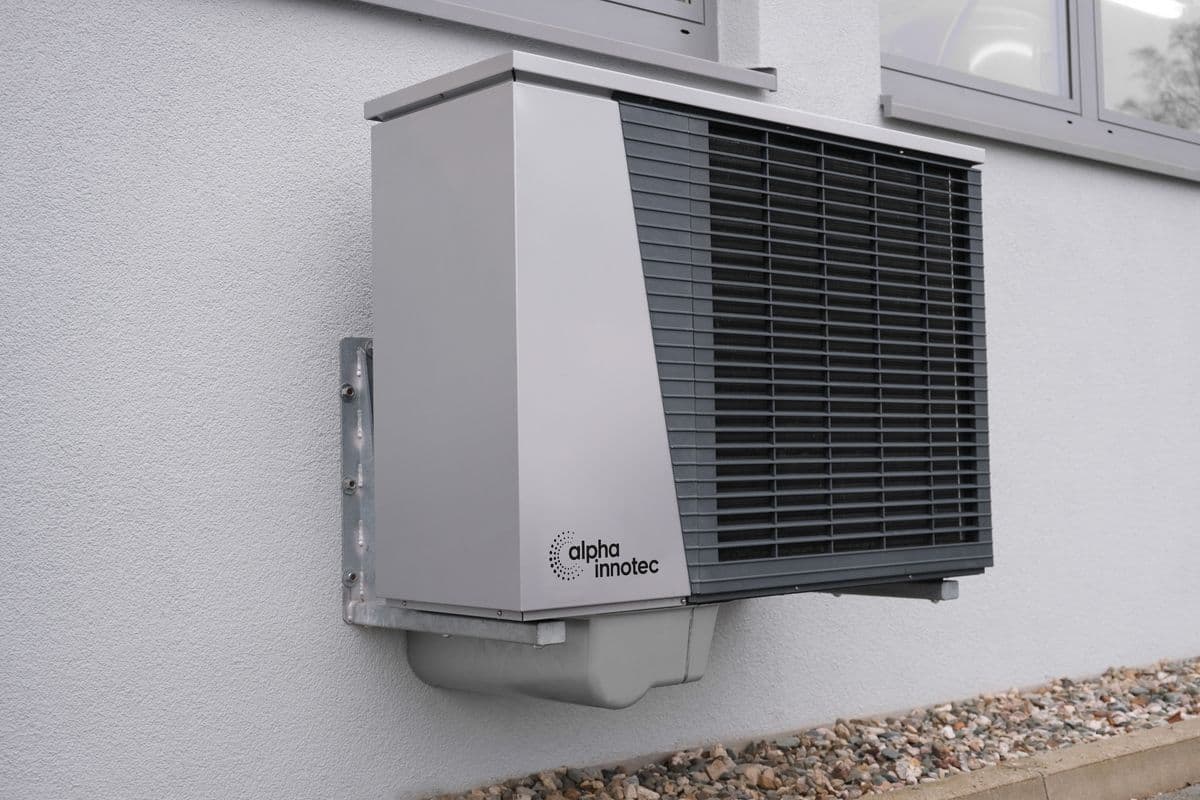
Ductless mini-splits put a compact indoor unit in each zone, connected to an outdoor unit by a small refrigerant line — no ductwork required. They shine in additions, converted garages, older homes without ducts, and anywhere you want true zone control. They are also among the most efficient systems available, because there are no duct losses. The tradeoffs: visible indoor units, higher upfront cost per zone, and installation quality that matters enormously at these refrigerant pressures.
Florida is the country's most cooling-dominated market: year-round heat and humidity mean air conditioners rarely rest, and undersized or aging systems show it in both comfort and electric bills. Salt air corrodes condenser coils within sight of the coast, and hurricane season punishes outdoor units with wind-driven debris and storm surge.
The short answer for Florida
Zone-by-zone heating and cooling with no ductwork — mini-split installs for additions, garages, and whole homes. In Florida, the deciding factor is humidity: Mini-splits dehumidify superbly when sized right — oversized heads short-cycle and leave rooms clammy, the same trap as oversized central systems.
How Florida’s climate affects this choice
Humidity: Mini-splits dehumidify superbly when sized right — oversized heads short-cycle and leave rooms clammy, the same trap as oversized central systems.
Salt air: Coastal installs need corrosion protection on the outdoor unit — salt air attacks mini-split condensers just like central ones.
What the job involves
- Survey the space and recommend the right number and placement of indoor heads for even coverage
- Size each zone — oversized heads short-cycle just like oversized central systems
- Mount indoor units, run refrigerant lines, condensate drains, and communication wire through a single small penetration
- Pressure-test, deep-vacuum, and charge the system precisely — mini-splits are unforgiving of sloppy refrigerant work
- Commission each zone: verify airflow, drainage, and controls
Do this first
- Count your zones honestly — every room that needs independent control is a head, and heads are what drive the price.
- Decide where indoor units can go: they need wall space with clearance and a path for the drain line.
- Ask about the outdoor unit's location and noise — it runs year-round in heating climates.
- Check electrical capacity; multi-zone systems need a dedicated circuit.
Licensing note for Florida
Florida licenses air conditioning contractors at the state level through the Department of Business and Professional Regulation (DBPR) — certified (statewide) and registered (local) classifications. Verify the license on the DBPR website.
Licensing rules change — verify current requirements with your state board before authorizing work.
Ductless Mini-Split Systems in Florida: FAQ
Yes — many homes run entirely on multi-zone mini-splits, especially in moderate climates. In cold climates, cold-climate models handle most of winter, sometimes with backup for extreme cold. The design matters: enough heads, right placement, realistic expectations for the coldest weeks.
The standard wall-mounted heads are visible, though slim models are discreet. There are also ceiling-cassette, floor-mounted, and concealed-duct options that hide the unit — they cost more and need space above or below, but they exist for exactly this concern.
Yes — the washable filters in each head need regular cleaning (more often than central filters), and the system needs professional service including coil cleaning and drain checks. Neglected heads grow mold and lose efficiency fast.
Call or request service online and a local Florida contractor will schedule a free on-site estimate. Only an in-person inspection produces a real number — beware anyone who prices the job without measuring.
Florida licenses air conditioning contractors at the state level through the Department of Business and Professional Regulation (DBPR) — certified (statewide) and registered (local) classifications. Verify the license on the DBPR website.