
Two different ways to make heat
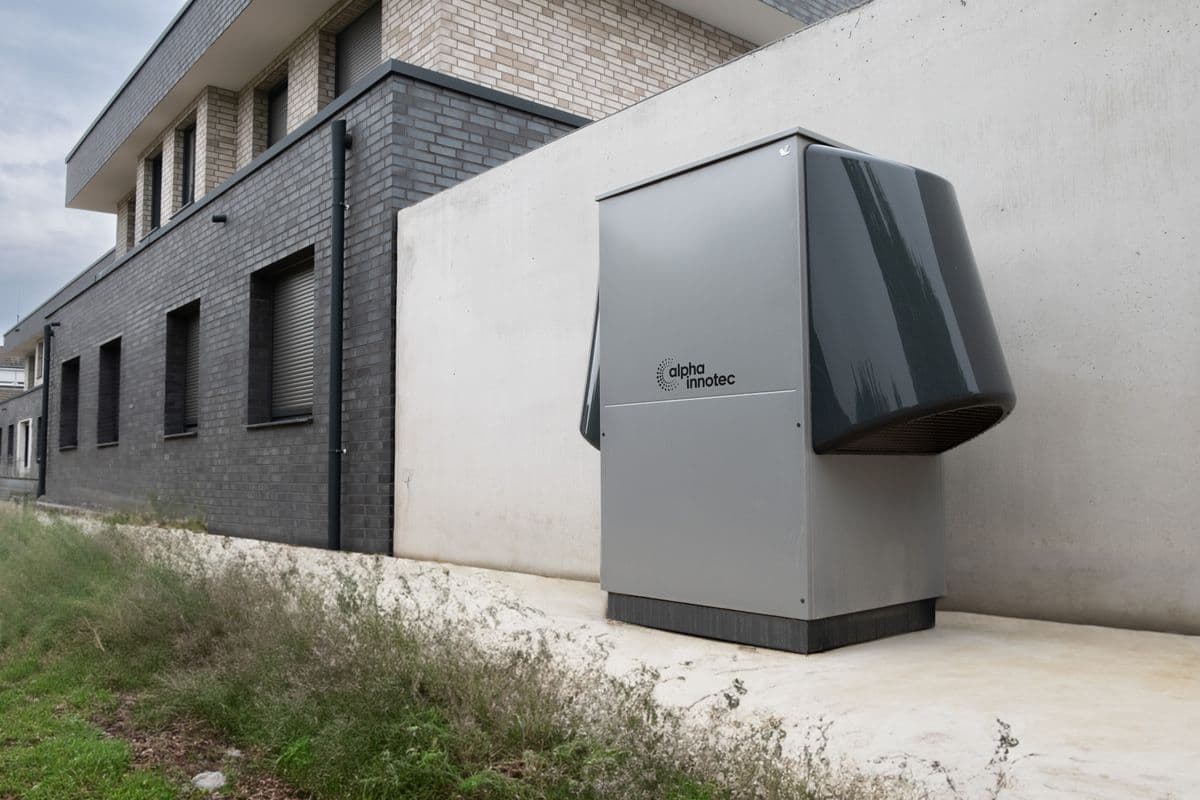
A furnace creates heat — by burning gas or oil, or with electric resistance elements — and blows it through your ducts. A heat pump moves existing heat from outdoor air inside, even when that air feels cold to you. Moving heat takes far less energy than creating it, which is why heat pumps are 2–4x more efficient than the energy they consume.
That efficiency gap is largest against electric furnaces and baseboard heat (which are 100% efficient at best — every unit of heat costs a unit of electricity). Against a modern gas furnace, the comparison depends on your local gas vs. electricity prices.
The cold-weather question
Heat pumps lose heating capacity as it gets colder — physics, not a flaw. Older models struggled below freezing; modern cold-climate units heat effectively well below 0°F, though output at 5°F is less than at 40°F.
In the coldest regions, installers commonly pair a heat pump with a gas furnace (dual fuel): the heat pump handles fall, spring, and mild winter days at high efficiency, and the furnace takes over in deep cold. Ask for the system's capacity at 17°F and 5°F from the spec sheet — those numbers tell you what you're actually buying.
Operating cost: do your own math
National averages are useless here because utility rates vary wildly. The honest comparison: take your winter heating load, apply the heat pump's seasonal efficiency (HSPF2 rating) against your electricity rate, and compare to the furnace's AFUE against your gas or oil rate. Any competent contractor will run this with your actual bills.
Don't forget the AC side: if your air conditioner is also aging, a heat pump replaces both machines in one installation — which changes the economics considerably versus buying a furnace now and an AC later.
Lifespan and maintenance
Furnaces typically last 15–20 years; heat pumps 12–17, since they run year-round instead of one season. That year-round duty means heat pumps benefit even more from annual maintenance — a neglected heat pump loses efficiency in both seasons.
Either way, the installation quality decides more than the equipment brand. Proper sizing, correct refrigerant charge, and good ductwork determine whether you get the efficiency you paid for.
Need a pro, not just advice?
Tell us what you need and your ZIP — we'll connect you with a local HVAC contractor.