
Start with the obvious (it fixes more than you'd think)
Check the thermostat mode — COOL, not HEAT or FAN-only — and confirm the setpoint is below room temperature. Then check the air filter: a filter clogged solid can freeze the evaporator coil into a block of ice, and then nothing cools. Replace a dirty filter, turn the system off for a few hours to thaw, and retry.
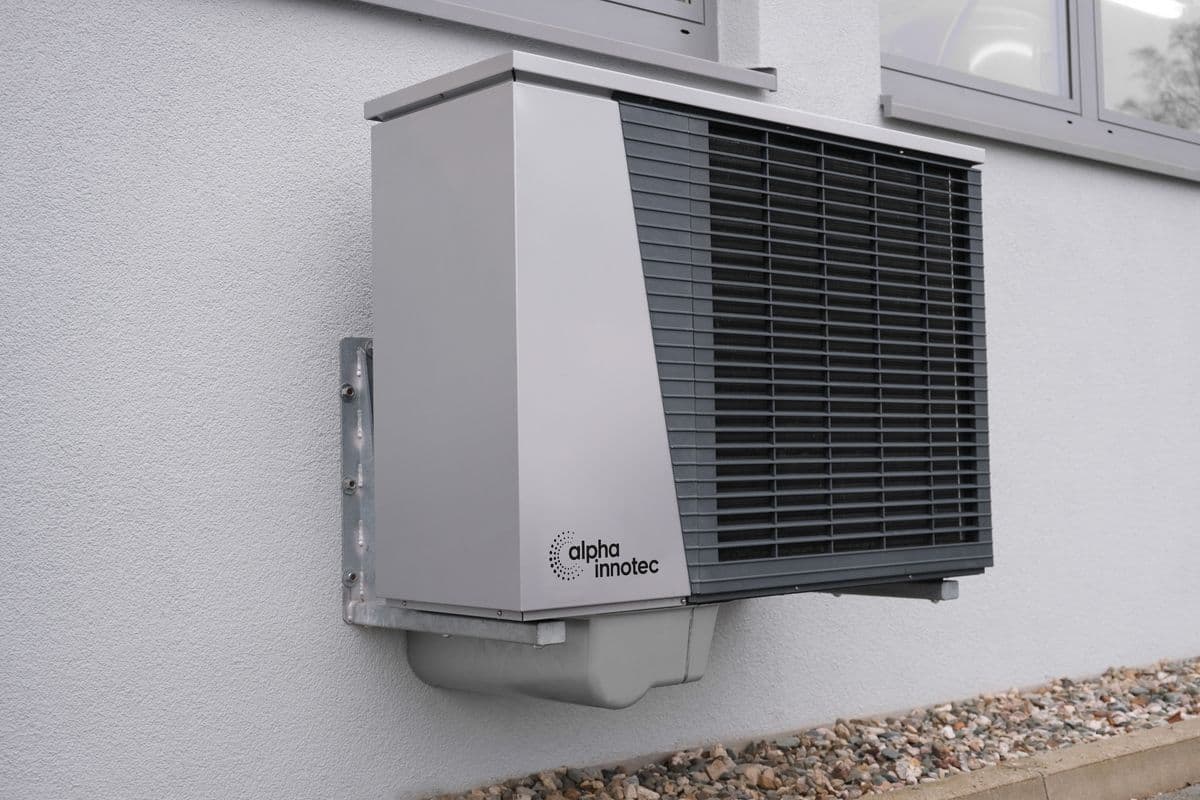
Outside, clear debris from around the condenser (a few feet of clearance) and check the breaker. If the breaker tripped, reset it once. If it trips again immediately, stop — that's an electrical fault, not a fluke.
Reading the symptoms
Weak airflow plus ice on the copper lines or indoor coil: frozen evaporator. Turn cooling off, run the fan to thaw, and if it refreezes after a fresh filter, call a tech — you likely have low refrigerant or a blower issue.
Outdoor unit not running at all but indoor fan blows: check the breaker and the disconnect switch by the condenser. If both are fine, the capacitor or contactor probably failed — a common, inexpensive repair.
System runs constantly but never reaches setpoint: could be low refrigerant, extremely dirty coils, undersized equipment for a heat wave, or duct leaks dumping cold air into the attic. If it's the hottest week of the year, some struggling is normal; if it's mild outside, something's wrong.
The line you don't cross
Refrigerant handling requires EPA certification — it's not a DIY top-off, and low refrigerant always means a leak that needs finding. Capacitors hold a dangerous charge with the power off. Repeatedly resetting a tripping breaker risks burning out the compressor, the most expensive part in the system.
Your side of the line: thermostat, filters, breakers (once), clearing debris, and observing symptoms carefully so you can describe them. Their side: everything inside the cabinets.
When it's urgent
Treat it as urgent when there's no cooling at all in extreme heat with vulnerable people home (elderly, infants, medical conditions), when you smell burning or see scorching, or when breakers trip repeatedly. Everything else can usually wait for a scheduled visit — but don't let a weakening system limp through a whole summer, because small failures cascade into compressor failures.
Need a pro, not just advice?
Tell us what you need and your ZIP — we'll connect you with a local HVAC contractor.