
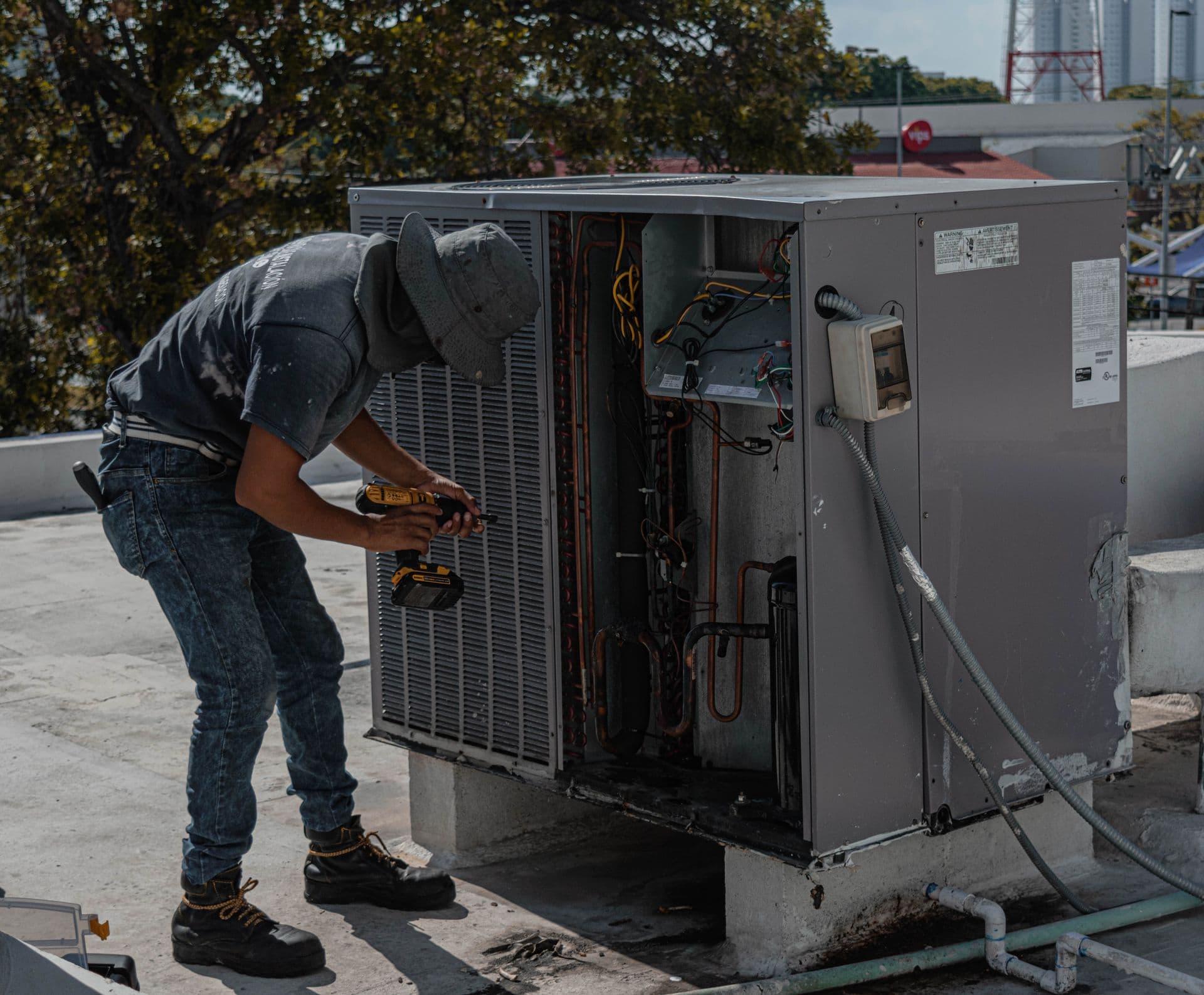
Duct Cleaning in Texas
Duct cleaning is one of the most oversold services in HVAC — which is exactly why an honest explanation matters. Clean ducts do not make a dirty system efficient, and most ducts do not need routine cleaning. But ducts contaminated by renovation dust, pests, mold, or a fire genuinely do, and the difference between legitimate remediation and an unverified blow-and-go is enormous.
Texas cooling loads are brutal — long summers in the triple digits across Dallas, Houston, and San Antonio keep air conditioners running for months, and Gulf humidity forces systems to dehumidify as well as cool. The flip side is winter: deep-freeze events burst pipes and kill heat pumps statewide, so cold-climate performance now matters in bids. Hail season also chews up condenser coils and outdoor units across North Texas.
The short answer for Texas
Professional duct cleaning when it's actually warranted — and honest guidance when it isn't. In Texas, the deciding factor is humidity: Humid-climate ducts with any organic debris grow mold — after cleaning, finding and fixing the moisture source matters more than the cleaning itself.
How Texas’s climate affects this choice
Humidity: Humid-climate ducts with any organic debris grow mold — after cleaning, finding and fixing the moisture source matters more than the cleaning itself.
What the job involves
- Inspect first — camera or visual check of representative runs to determine whether cleaning is warranted at all
- Seal the system under negative pressure so dislodged debris cannot redistribute into the home
- Agitate debris from duct walls with rotary brushes or air whips while a HEPA-filtered vacuum extracts it
- Clean the air handler, blower, coils, and drain pan — the equipment matters as much as the ducts
- Show before-and-after evidence of representative runs
Do this first
- Ask yourself why: visible dust puffing from vents, post-renovation debris, pest evidence, or mold are legitimate triggers. 'It's been a while' alone is not.
- Get an inspection with camera evidence before agreeing to cleaning — reputable companies look first.
- Beware unrealistic whole-house cheap specials: legitimate duct cleaning takes hours with professional equipment. Rates that sound too good to be true usually mean corners cut or an upsell trap.
- Ask whether the quote includes the air handler, coils, and drain pan — duct-only cleaning misses half the system.
Licensing note for Texas
Texas requires an Air Conditioning and Refrigeration Contractor license (TACL) through the Texas Department of Licensing and Regulation. Confirm the license is current before hiring.
Licensing rules change — verify current requirements with your state board before authorizing work.
Duct Cleaning in Texas: FAQ
There is no schedule — ducts need cleaning when they are dirty. Triggers include visible debris blowing from vents, renovation dust, pest infestation, or mold. Homes without these triggers often go many years with no need. Anyone selling you an annual schedule is selling, not advising.
Marginally at best, unless the ducts were severely restricted. Duct cleaning is about air quality and system hygiene, not efficiency. If someone promises big energy savings from duct cleaning alone, be skeptical — duct sealing is the service that actually saves energy.
Cleaning removes debris from inside the ducts; sealing closes leaks in the duct system so conditioned air reaches the rooms. They solve different problems. Leaky ducts waste enormous energy and are far more common than dirty ducts — most homes benefit more from sealing than from cleaning.
Call or request service online and a local Texas contractor will schedule a free on-site estimate. Only an in-person inspection produces a real number — beware anyone who prices the job without measuring.
Texas requires an Air Conditioning and Refrigeration Contractor license (TACL) through the Texas Department of Licensing and Regulation. Confirm the license is current before hiring.