
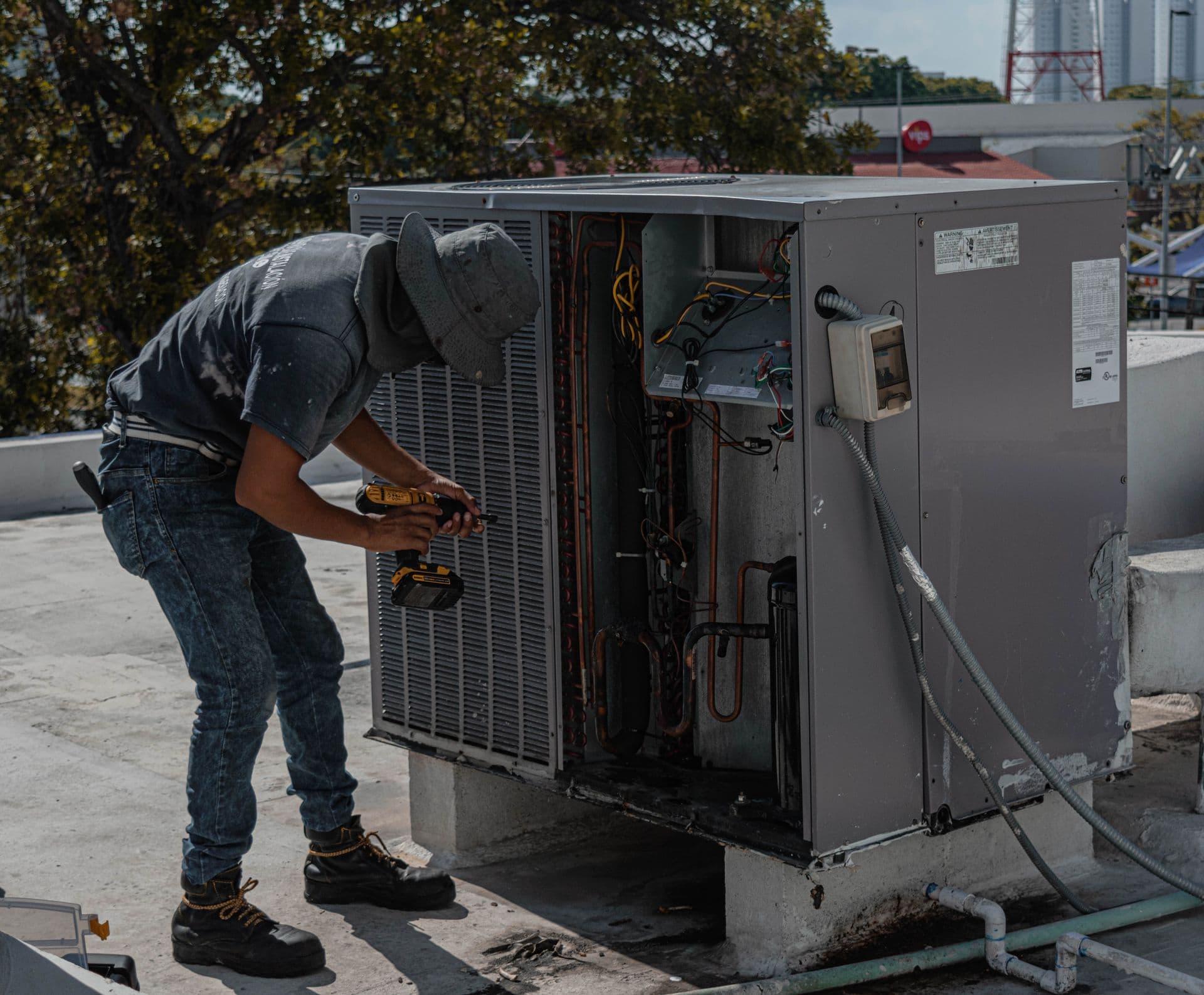
Smart Thermostats & Controls in Texas
The thermostat is the brain of your HVAC system, and many homes still run on a basic model — or a 'smart' one that was never properly configured for their equipment. The right control, set up correctly for single-stage vs. multi-stage vs. heat pump equipment, improves comfort and trims waste. But a smart thermostat can't fix bad ducts or wrong-sized equipment, and compatibility with your system matters more than the feature list.
Texas cooling loads are brutal — long summers in the triple digits across Dallas, Houston, and San Antonio keep air conditioners running for months, and Gulf humidity forces systems to dehumidify as well as cool. The flip side is winter: deep-freeze events burst pipes and kill heat pumps statewide, so cold-climate performance now matters in bids. Hail season also chews up condenser coils and outdoor units across North Texas.
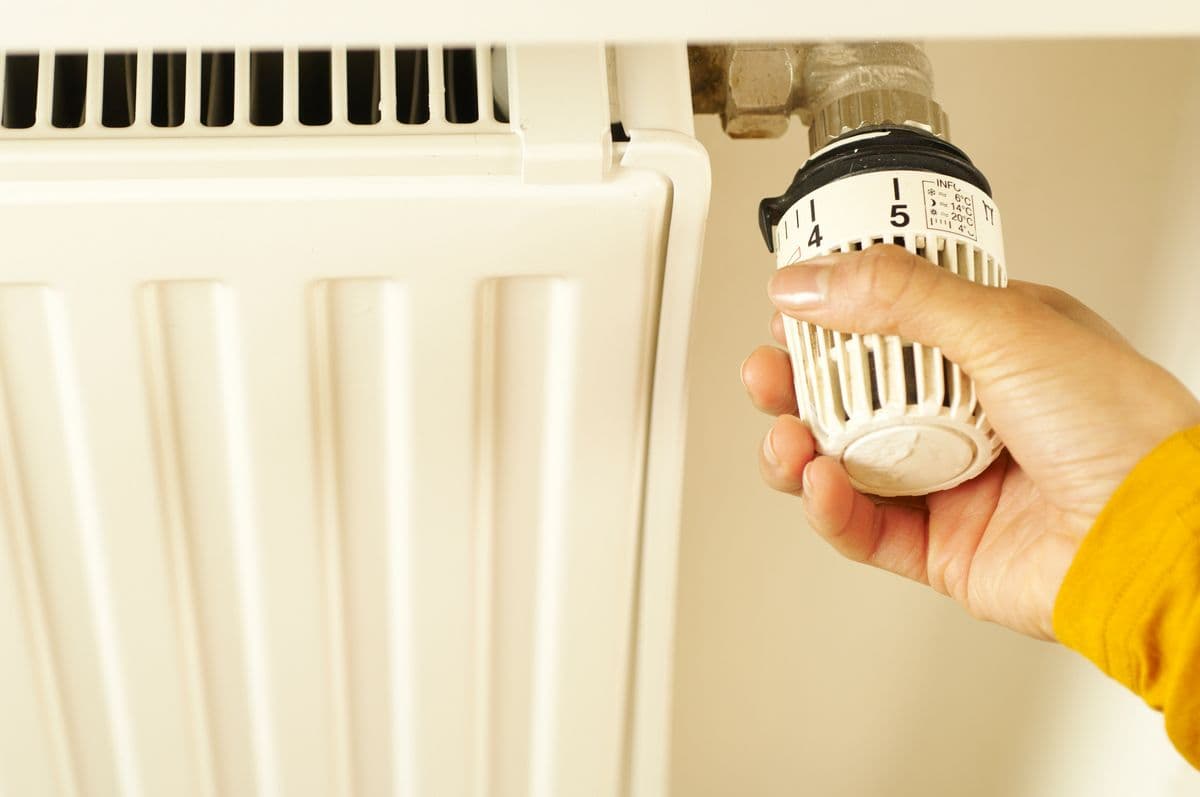
The short answer for Texas
Thermostat upgrades, zoning controls, and proper setup — the cheapest comfort upgrade most homes haven't made. In Texas, the deciding factor is extreme heat: In cooling-dominated climates, pre-cooling and smart setbacks trim peak demand — the savings come from the schedule, not the gadget.
How Texas’s climate affects this choice
Extreme heat: In cooling-dominated climates, pre-cooling and smart setbacks trim peak demand — the savings come from the schedule, not the gadget.
What the job involves
- Verify compatibility with your equipment — heat pumps, multi-stage, and communicating systems each have requirements
- Check wiring, including whether a C-wire (common wire) is present or needs to be added
- Install and configure the thermostat for your specific equipment type and staging
- Set up zoning controls where applicable, with dampers and bypass considerations
- Walk you through schedules, setbacks, and the settings that actually save energy vs. the ones that fight your system
Do this first
- Know your system: heat pump, furnace + AC, multi-stage — the thermostat must match the equipment.
- Check for a C-wire at the thermostat; many smart models need one and adding it is a separate small job.
- Be realistic about savings: setback schedules save the most; learning algorithms help only if your schedule is irregular.
- If you have a heat pump, make sure the thermostat is configured for it — wrong settings cause expensive auxiliary-heat use.
Licensing note for Texas
Texas requires an Air Conditioning and Refrigeration Contractor license (TACL) through the Texas Department of Licensing and Regulation. Confirm the license is current before hiring.
Licensing rules change — verify current requirements with your state board before authorizing work.
Smart Thermostats & Controls in Texas: FAQ
It can — mainly through setback schedules that reduce heating and cooling when you're away or asleep. The savings come from the schedule, not the 'smart' label. A basic programmable thermostat used well beats a smart one left on 'hold' at one temperature.
Sometimes — if you have a C-wire and a conventional system, it's a common DIY job. But heat pumps, multi-stage systems, and missing C-wires trip up many DIY installs, and miswiring can damage equipment. When in doubt, the pro install is cheap insurance.
Zoning divides your home into independently controlled areas using motorized dampers in the ductwork, each with its own thermostat. It solves the 'upstairs is always hot' problem far better than closing vents — which just raises system pressure and causes new problems.
Call or request service online and a local Texas contractor will schedule a free on-site estimate. Only an in-person inspection produces a real number — beware anyone who prices the job without measuring.
Texas requires an Air Conditioning and Refrigeration Contractor license (TACL) through the Texas Department of Licensing and Regulation. Confirm the license is current before hiring.