
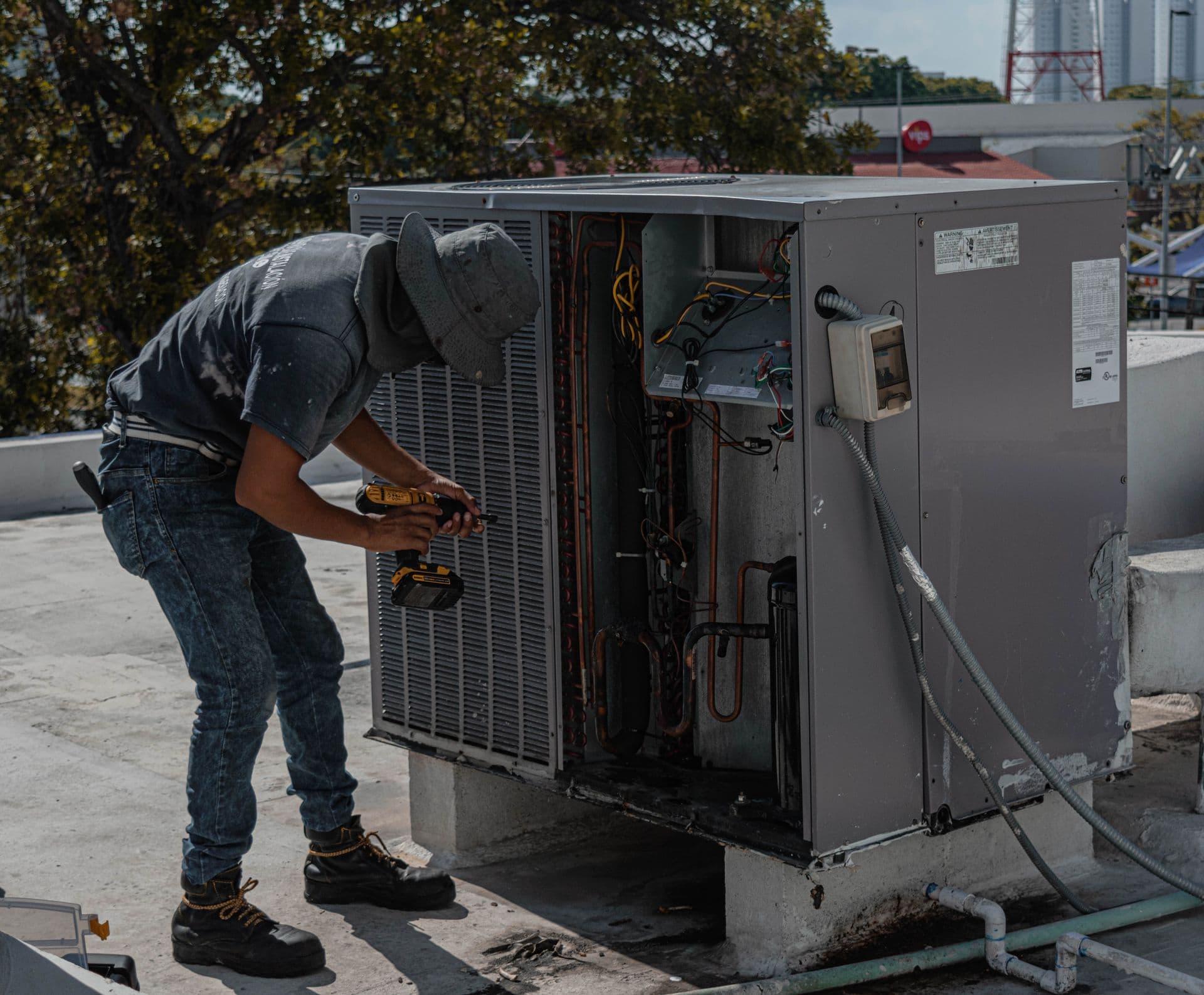
HVAC service in El Paso, TX
High-desert dry heat favors heat pumps and evaporative cooling, with dusty conditions, intense sun, and wide day-night temperature swings stressing equipment.
Comfort in El Paso: what local conditions demand
High-desert dry heat favors heat pumps and evaporative cooling, with dusty conditions, intense sun, and wide day-night temperature swings stressing equipment.
Texas cooling loads are brutal — long summers in the triple digits across Dallas, Houston, and San Antonio keep air conditioners running for months, and Gulf humidity forces systems to dehumidify as well as cool. The flip side is winter: deep-freeze events burst pipes and kill heat pumps statewide, so cold-climate performance now matters in bids. Hail season also chews up condenser coils and outdoor units across North Texas. A contractor who works the El Paso area every week knows which systems handle local conditions best — ask what they recommend for your street, not just your state.
Licensing note for Texas
Texas requires an Air Conditioning and Refrigeration Contractor license (TACL) through the Texas Department of Licensing and Regulation. Confirm the license is current before hiring.
Licensing rules change — verify current requirements with your state board before authorizing work.
Services available in El Paso
Popular services in El Paso
El Paso HVAC FAQ
Call or request service online and a local Texas contractor serving the El Paso area will confirm a time for a free on-site assessment. Only an in-person inspection produces a real scope.
High-desert dry heat favors heat pumps and evaporative cooling, with dusty conditions, intense sun, and wide day-night temperature swings stressing equipment.
Texas requires an Air Conditioning and Refrigeration Contractor license (TACL) through the Texas Department of Licensing and Regulation. Confirm the license is current before hiring.
Usually only for sudden damage from a covered event, like a storm. Normal wear and age are not covered. For covered damage, document everything and call your insurer before authorizing work.